

There comes a moment in many women’s lives when they look in the mirror and wonder, “Who am I now?”
It might come after a divorce, during menopause, when the children leave home, or after a career change. Sometimes it comes with no clear trigger at all, just a quiet sense that the life you built no longer fits the woman you’ve become.
If you’re feeling this, nothing is wrong with you. Midlife is one of the most common times for identity to shift, and it can be one of the most meaningful.
Why identity shifts in midlife
For decades, most of us build our identity around roles: partner, mother, caregiver, professional. Those roles give our days structure and purpose. When one of them changes or ends, the structure goes with it, and it can feel as if part of you has disappeared.
Your body is changing at the same time. Hormonal shifts during perimenopause and menopause can affect sleep, mood, energy, and confidence. When physical and emotional changes arrive together, it’s easy to feel unrecognizable to yourself.
Signs you may be in an identity transition
- You feel restless or flat, even when life looks fine from the outside.
- Activities that used to matter no longer hold your interest.
- You struggle to answer simple questions like “What do you want?”
- You feel invisible at home, at work, or in public.
- You’re drawn to change but unsure what kind.
Five ways to start rediscovering yourself
1. Separate who you are from what you do
Make two lists. On the first, write the roles you’ve held. On the second, write the qualities you bring to all of them: perhaps patience, humor, creativity, or courage. The roles may change. The qualities come with you.
2. Notice what gives you energy
For one week, pay attention to the moments when you feel most like yourself. Who are you with? What are you doing? Those moments are clues about what to build more of.
3. Revisit what you set aside
Many women put interests, friendships, or ambitions on hold while raising families or building careers. Some of those may still matter to you. Picking one back up, even in a small way, reconnects you with a part of yourself that has been waiting.
4. Care for your body as part of the process
Identity isn’t only in your head. Sleep, strength, nutrition, and stress all affect how you think and feel about yourself. When your body feels stronger and more rested, it becomes easier to make clear choices about your life.
5. Let your values lead the next chapter
Ask yourself what matters most to you now, not what mattered at 30 or what others expect of you. Use those values to guide how you spend your time, who you spend it with, and what you want to build.
You don’t have to figure it out alone
An identity transition can bring up grief, fear, and old beliefs about your worth. Working with a therapist gives you a structured, supportive place to explore those feelings and turn them into a plan.
This is the heart of the REBUILD Method™: understanding yourself again, learning to trust your own decisions, and designing a next chapter that fits who you are today. I also offer individual therapy in Boca Raton and online throughout Florida.
This article is for general education and isn’t a substitute for individual medical or mental health care. If you are in crisis, call or text 988 or go to the nearest emergency room.
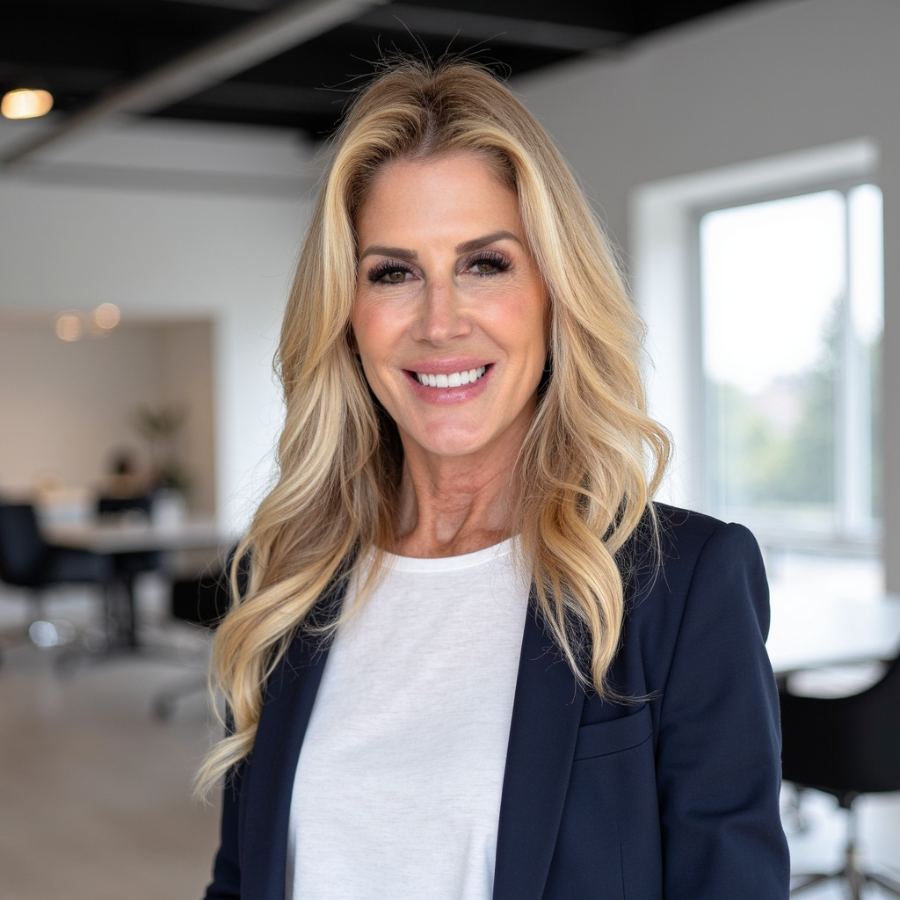
About the author
Dr. Susan Besman, Ph.D., LMFT is a Licensed Marriage & Family Therapist in Boca Raton, FL, a Board-Certified Diplomate of A4M, and creator of the REBUILD Method™.
Read her story →